Excessive glucose in blood increases cell-damaging agents ( so called free radicals), leading to inflammation and pain.
Excessive glucose in blood increases cell-damaging agents (so called free radicals), leading to inflammation and pain.
These foods break down quickly into glucose during digestion.
Monitor your daily consumption of these foods
1. Refined Carbohydrates
These foods have a high glycemic index (GI), meaning they convert into glucose very quickly, causing fast blood sugar
spikes.
White bread
White rice
Instant oatmeal
White pasta
Rice crackers
Bagels
2. Sugary Foods and Drinks
These contain simple sugars (like glucose, sucrose, or high-fructose corn syrup) and are absorbed almost immediately.
Soda
Candy
Fruit juice
Sweetened yogurt
Ice cream
3. High-Sugar Fruits
Fruits have natural sugars like fructose and glucose, and the ripeness affects how fast they’re absorbed.
Ripe banana
Grapes
Watermelon
Pineapple
Mango
Dates (dried)
*Lower-GI fruit examples: Apples (GI ~36), Pears (GI ~38), Berries (GI ~25–40)
4. Dairy Products
Dairy contains lactose, a milk sugar that breaks down into glucose.
*Sweetened and processed types raise blood sugar more rapidly.
Flavored milk
Sweetened yogurt
Condensed milk
Ice cream
Plain milk
"Feel free to download HPC EBFB (Eat Better Feel Better) Info Sheet."
Eat Better, Feel Better
How Food Fuels or Fights Inflammation and Pain
Share:
According to the Centers for Disease Control and Prevention (CDC): Approximately 29.2 % of people aged 65 and oder have diabetes
(diagnosed and undiagnosed combined), based on 2020 data. This means nearly 1 in 3 elderly adults in the U.S. are affected by diabetes, making it one of the most common chronic conditions in this age
group.
When caring for elderly individuals with diabetes, it's important to prepare meals that help manage blood sugar levels while providing balanced nutrition. The Diabetes Plate method is
a simple and effective tool to guide meal planning. Here's how it works:
Half of the plate should be filled with non-starchy vegetables like leafy greens, cucumbers, and peppers,
which are low in carbs and high in fiber.
One-quarter of the plate should be dedicated to lean proteins such as chicken, fish, or
beans.
The remaining quarter should include healthy carbohydrates, like whole grains, sweet potatoes, or
legumes.
This approach reduces the need for calorie counting and portion measuring, making it easier for both care workers and elderly individuals to manage diabetes without stress. By focusing
on these food groups, care workers can ensure that meals are both healthy and enjoyable, supporting long-term health goals.
Fiber is essential for keeping your body running
smoothly. Found in fruits, vegetables, whole grains, and legumes, fiber is a type of carbohydrate that helps prevent constipation and provides numerous other health benefits,
particularly for those with diabetes or prediabetes.
For individuals with diabetes or prediabetes,
fiber is a valuable ally. It supports blood sugar management, aids in weight control, and reduces the risk of heart disease—a common diabetes complication—and certain cancers.
Here’s how fiber benefits your health:
Regulates blood sugar: Fiber isn’t absorbed or broken down, so it doesn’t cause blood sugar spikes like other carbohydrates.
Promotes heart health: By reducing fat and cholesterol absorption, fiber helps lower triglycerides and cholesterol levels, decreasing the risk of
heart disease.
Improves digestive health: Fiber cleanses the digestive system, improving gut health and reducing the risk of colon cancer.
Supports weight management: Because fiber isn’t digested, it slows stomach emptying, helping you feel full longer and manage your weight
effectively.
Snacking can help you manage hunger and keep your blood sugar steady
between meals. Here are some simple tips and snack ideas tailored for older adults:
1. Stick to Quick
Combos
Pair two simple ingredients,
like:
Cheese + apple slices
Hummus + carrot sticks
Nut butter + celery
2. Use Ready-to-Eat Foods
Choose snacks that need little or no prep,
like:
A handful of nuts or seeds
Greek yogurt with fresh fruit
A small pack of whole-grain crackers
3. Prep
Ahead
Wash and chop veggies (like carrots, celery, or cucumbers) and store them in the fridge.
Portion out nuts or popcorn into small containers to avoid overeating.
4. Keep It
Simple
Grab a piece of fruit, like an apple or a small handful of berries.
Use store-bought guacamole or hummus with veggie sticks for an easy dip-and-eat option.
5. One Bowl
Snacks
Mix cottage cheese with diced tomatoes or cucumber.
Sprinkle chia seeds or nuts on top of plain yogurt.
6. Choose Portable Options
String cheese or a boiled egg makes a great snack on the go.
A single-serving nut butter pack with an apple is easy to carry.
According to the Centers for Disease Control and Prevention (CDC): Approximately 7–8% of adults aged 65 and older have had a stroke, based on recent
national data. This means nearly 1 in 13 older adults in the United States are living with the effects of stroke, making it one of the leading causes of long-term disability in this age
group.
Stroke risk increases significantly with age. While stroke can be life-threatening, many cases are preventable or manageable through awareness and
control of risk factors such as high blood pressure, diabetes, and heart disease — conditions that are common in older populations.
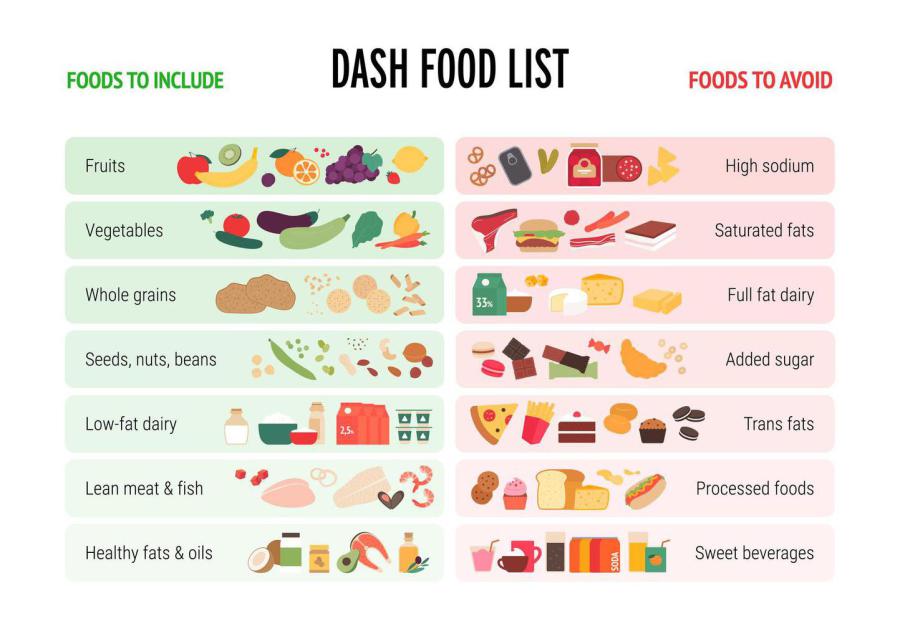
The DASH diet (Dietary Approaches to Stop Hypertension) is an evidence-based eating plan recommended to help lower
blood pressure — one of the strongest risk factors for stroke. Following DASH principles may significantly reduce stroke risk, especially for older adults.
Core DASH Principles for Stroke Prevention
1. Focus on Fruits & Vegetables
Aim for 4–5 servings of vegetables and 4–5 servings of fruits daily.
Choose fresh, frozen (no added salt), or lightly cooked options.
2. Choose Whole Grains
Select whole wheat bread, brown rice, oatmeal, barley, and whole grain cereals.
Limit refined grains such as white bread and pastries.
3. Include Lean Protein Sources
Emphasize fish, poultry, beans, lentils, and nuts.
Limit red and processed meats.
4. Reduce Sodium Intake
Aim for 1,500–2,300 mg of sodium per day.
Avoid heavily processed, canned, or packaged foods with added salt.
5. Choose Low-Fat or Fat-Free Dairy
Select milk, yogurt, or cheese with reduced fat content.
6. Limit Added Sugars & Saturated Fats
Reduce sugary beverages, desserts, and fried foods.
Use healthy fats such as olive oil in moderation.
Additional Stroke Prevention Steps
Maintain healthy blood pressure
Stay physically active (as approved by a healthcare provider)
Manage diabetes and heart disease
Avoid smoking
Follow prescribed medications as directed
DASH (Dietary Approaches to Stop Hypertension) eating plan is aheart-healthy
nutrition approach designed to help lower blood pressure and reduce the risk of stroke and heart disease. It emphasizes nutrient-rich foods that are naturally high in potassium,
calcium, magnesium, fiber, and protein, while limiting sodium, added sugars, and saturated fats.


 Print
Print 